











|
|||||||
|
|
Welcome to Team Kennels. We live in Polk County, NC & specialize in raising Pekingese, Poodles and Peke-a-Poos. The Pekingese & Poodle cross are a hybrid called Peke-a-poos or Peek-a-poos (Peekapoos). They are hypo-allergenic & low shedding, therefore great for people with allergies or asthma! Just ask my husband! In the past we raised Cavalier King Charles Spaniels, which are wonderful dogs, and occasionally we will have a litter of Cavapoos or Yorkipoos.
Please note, that as a potential buyer, you will have 2 days to provide a deposit or payment in full for the dog you are wanting, or it will be available for other families to adopt. We can no longer hold a puppy longer than 2 days because you have told us by phone or email that you want it. Deposits are also non-refundable. We do not have a waiting list, we have a notification list. We add everyone interested in a puppy to the notification list and send out emails when a litter is born. That is when we accept deposits on a first come first serve basis. I hope you understand our position, and trust that Team Kennels will always have the dog's interest at heart first! Team Kennels will provide you with a lengthy puppy care sheet addressing common puppy problems. All puppies can have these issues and these are guidelines to keep your puppy healthy as it transitions from our house to yours. These are not problems associated with OUR dogs, but common problems that can occur if you do not feed and and water your new puppy every few hours. Our main concern is the puppies health and we try to provide the best information to help you! One of the most dangerous and most avoidable is hypoglycemia. Hypoglycemia (low blood sugar) is the most common disorder of metabolism seen in small, young puppies. Puppies are at a greater risk to develop hypoglycemia than adult dogs because puppies have a smaller liver, less muscle and a larger brain in proportion to the size of their body and therefore cannot store very much sugar in their muscles and liver for later use. Very young puppies cannot tolerate more than a few hours of going without food. Diarrhea and vomiting in tiny puppies can cause hypoglycemia. PREVENTION Feed several meals a day consisting of high calorie, high fat and high protein puppy food. This should include a middle of the night feeding in tiny, toy puppies. Dry food is generally best for puppies, but small puppies may prefer canned food. If the puppy is not eating, try offering canned food. Puppies less than 3 pounds should be feed four (4) to five (5) times daily. Don’t subject a tiny puppy to additional stress. Limit playtimes to ten – fifteen (10 – 15) minutes. Tiny puppies may not travel well and should be kept home as much as possible. Before a play session and an hour before a car ride or veterinarian visit, feed a small meal or give an inch or two (2) of Nutrical paste. EMERGENCY TREATMENT At the first sign of weakness or loss of coordination, give the puppy a teaspoon or so of KARO SYRUP or NUTRICAL. Put this on the puppy's tongue so it will dissolve or have the puppy swallow if it is alert enough. You should see the puppy return to normal within a few minutes. Try this again, if there is no improvement; CONTACT A VETERINARIAN immediately. Toy breed puppies may require several feedings a day, including night time feedings, and should not be left alone for more than two-three (2-3) hours.
|
||||||
 Team Kennels, since 1999.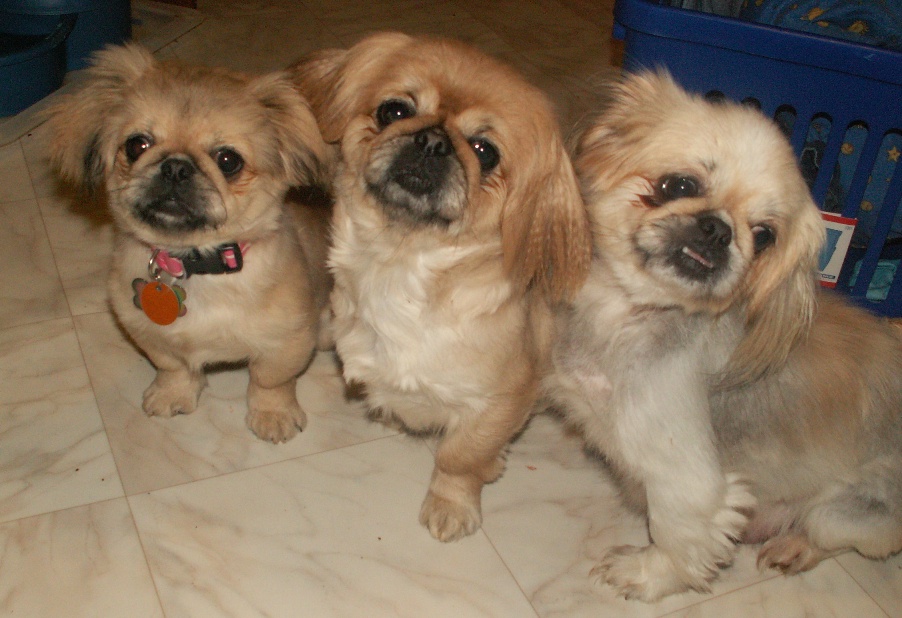


|
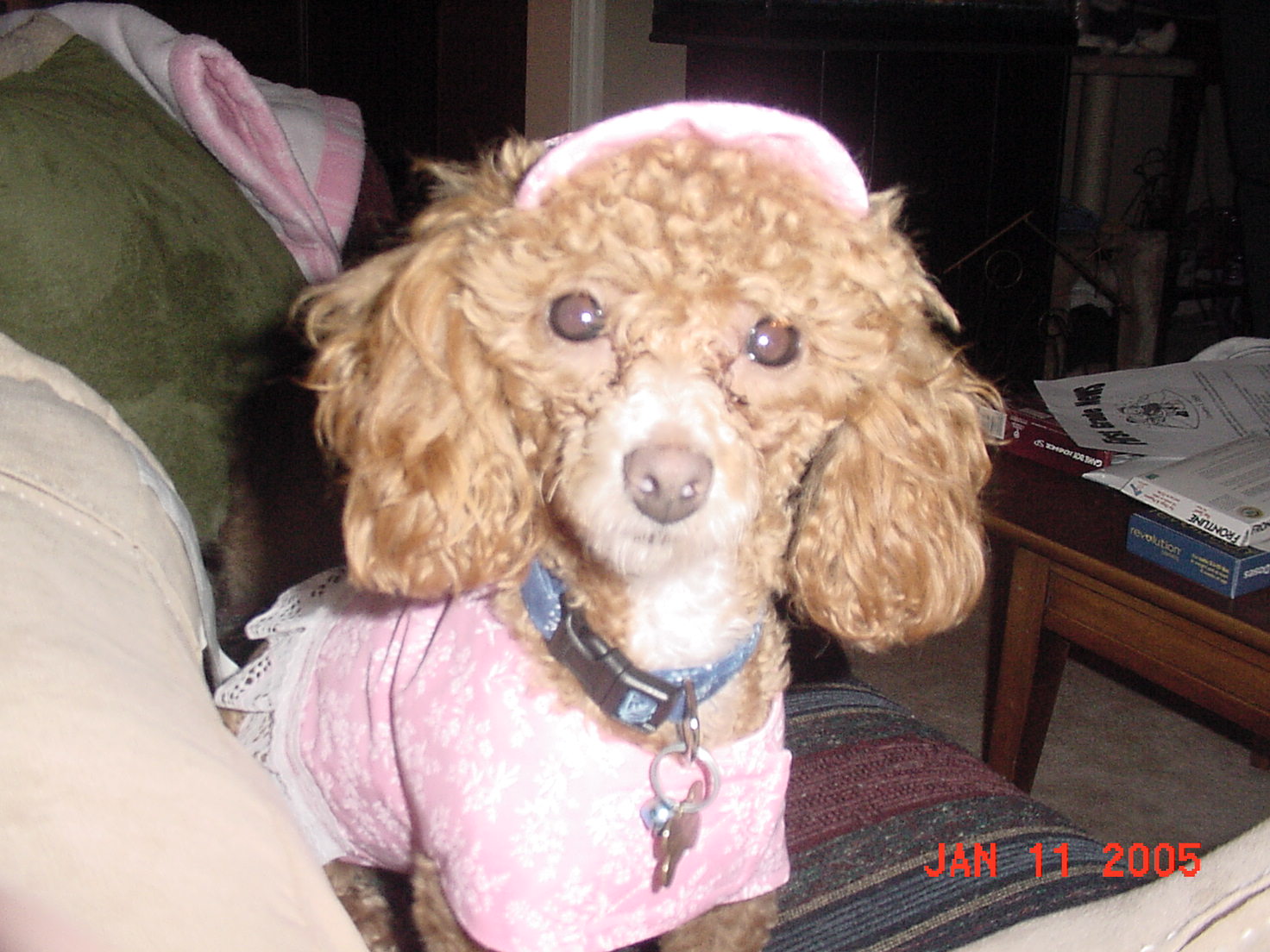
Pebbles (MY BABY) I MISS YOU!!!! |